Shopping note: This journal carries advertisements and may earn a commission from qualifying purchases through marked commercial links. Product availability, prices and returns depend on your retailer and region. Read our disclosure.
In this story
Bring the socks and the scheduleCheck three places separatelyWalk beyond the straight lineChoose the version your clothes needMake the purchase decision before the deadlineA pair of loafers can look perfectly sensible beside the shop mirror and feel entirely different halfway to lunch. Think about a real day: ten minutes to the station, a few flights of stairs, a standing coffee stop and the walk home with groceries. That itinerary asks more of a shoe than a short trip from a car to a restaurant. Start with those ordinary movements, then decide which polished details matter to you.
Bring the socks and the schedule
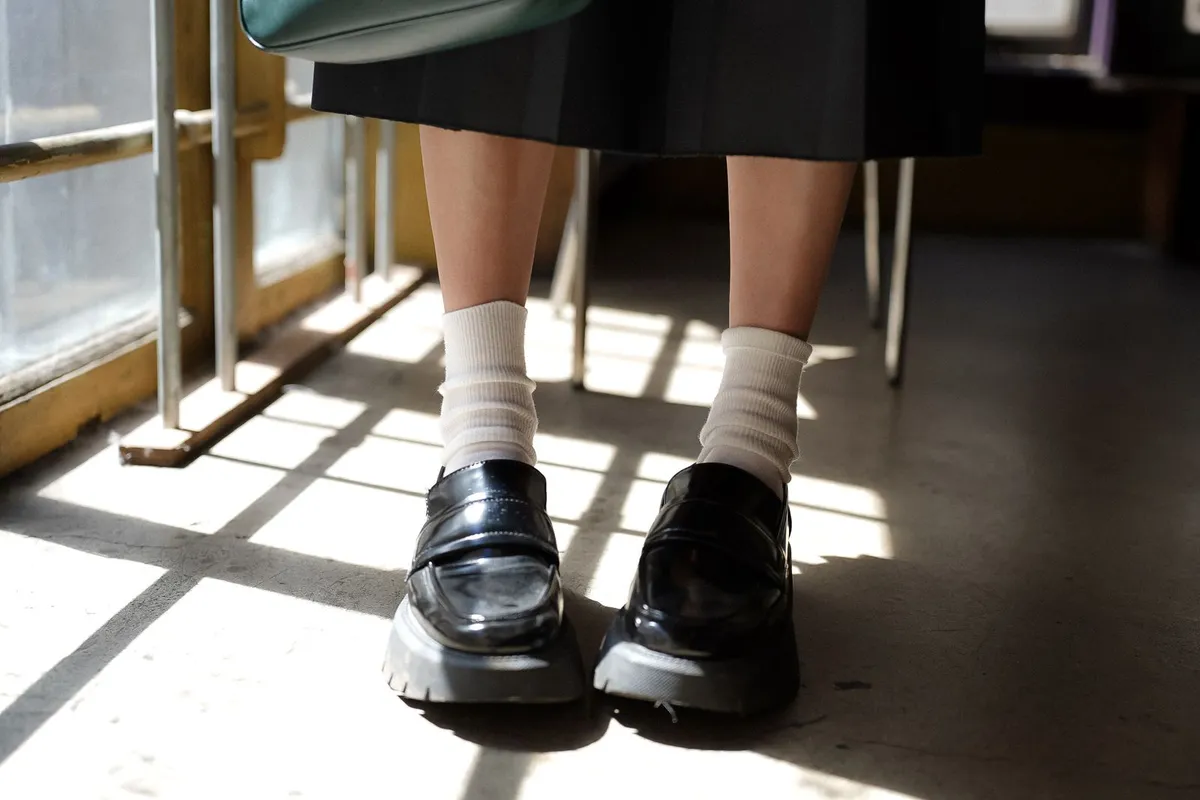
Try on loafers with the socks or hosiery you intend to wear. A thicker sock can change pressure across the top of the foot, while a very fine liner may slip independently of the shoe. If you plan to wear both, test both. Do not buy a roomy pair solely to accommodate an occasional winter sock if most of its use will happen in mild weather.
Allow enough time for a proper indoor fitting within the retailer’s return conditions. Feet and fit can feel different over a day, so a rushed morning try-on should not be the only assessment. Compare both feet, walk normally and pay attention to the larger or more sensitive foot. A size number is a starting point; two styles from the same label can still feel different.
Check three places separately
At the toes: look for space to move without gripping the shoe to keep it on. A narrow-looking toe shape may be comfortable if the internal last suits your foot, while a visually round shoe can still press on the little toe. Do not judge room from the silhouette alone.
Across the upper: notice whether the vamp holds the foot or pinches it. A high vamp can feel secure, but that benefit disappears if every step creates uncomfortable pressure. Decorative hardware should not dig in when the foot bends. Check seams, lining edges and any stiff reinforcement around the opening.
At the heel: some movement can occur in a slip-on, but repeated rubbing or a feeling that the shoe is about to leave your foot deserves attention. An insert may alter fit, yet it should not be the purchase plan for a pair that is fundamentally wrong. Compare another size, width or shape before adding accessories.
Walk beyond the straight line
On a clean indoor surface, walk a small circuit, turn, stop and start again. Sit down and stand up without carefully arranging your feet. If the shop allows it, try stairs. These movements reveal whether the shoe stays comfortable when your foot flexes and whether you unconsciously shorten your stride.
Bend the sole gently only as the retailer permits. Consider how the shoe feels during walking rather than treating maximum flexibility as an automatic virtue. A structured sole and a soft sole serve different preferences. Also check the outsole pattern, but avoid assuming that a chunky appearance guarantees grip on wet pavement. Manufacturer descriptions and your own permitted fitting provide better information than styling photographs.
Choose the version your clothes need
A slim loafer can sit neatly under straight trousers; a heavier sole can balance wider hems. Try your likely trousers before keeping the shoes. A hem that drags may need alteration, especially if it was previously worn with a taller heel. For an outfit built around denim, use the movement checks in the jeans fitting guide at the same time.
Black is useful when most bags and belts in your wardrobe are black. Brown, burgundy or a muted neutral might be easier with a softer palette. Avoid buying a second color just because the first pair seems versatile in theory. Wear the first pair through ordinary outfits before identifying a real gap.
Make the purchase decision before the deadline
Read the return policy before ordering, including whether indoor wear, protective films or packaging affect eligibility. Keep tags and the box while you assess the fit. Leather care, suede brushes and protective products introduce extra maintenance, so check the maker’s instructions rather than buying a generic care kit automatically.
If the loafers will be the only shoes in a weekend carry-on, be especially conservative about comfort. A new purchase should earn that role through experience before a trip. The most useful pair is the one that supports your actual day and works with clothes already waiting at home.
Have a correction or a question? Contact the journal. See how we choose topics and approach shopping advice.