
Shopping note: This journal carries advertisements and may earn a commission from qualifying purchases through marked commercial links. Product availability, prices and returns depend on your retailer and region. Read our disclosure.
In this story
Lay out the practical pieces firstChoose linens for your laundry habitsLet mismatched pieces look deliberateKeep the middle low and usefulBuy for the next several dinnersImagine a Friday dinner with four friends, a small table and food that needs the oven until the last minute. A good table setting makes that evening easier: guests have room for their glasses, serving dishes fit somewhere sensible and nobody worries about an elaborate arrangement. Begin with the meal and the space available. Decorative purchases can wait until you know what would actually improve the experience.
Lay out the practical pieces first
Set a plate, the cutlery the meal requires and a drinking glass at each place. Then put empty serving dishes in the positions they will occupy. This simple rehearsal shows whether the table can hold dinner or whether food should be served from the kitchen. A narrow table often works better with a clear center than with layers of runners, flowers and bowls.
Consider where guests will put water, wine or another drink. One versatile glass may be enough for an informal meal. Different drinks and personal preferences can justify additional glassware, but a matching collection is unnecessary if the glasses are clean, comfortable to hold and stable. Keep a spare nearby for an accidental spill rather than crowding every place setting.
Choose linens for your laundry habits
A tablecloth can soften a mixed collection of furniture and protect the visual surface, although it is not a substitute for heat protection. Measure the table before shopping and consider how much fabric will hang near knees or chair arms. A very long drop may look lovely in a photograph and prove awkward in a compact dining nook.
A runner leaves more of the table visible and is easier to store. Individual placemats allow one dirty piece to be washed or wiped, depending on their material. Check care instructions before buying: the best option is the one you can maintain between actual meals, not the one that assumes unlimited ironing time.
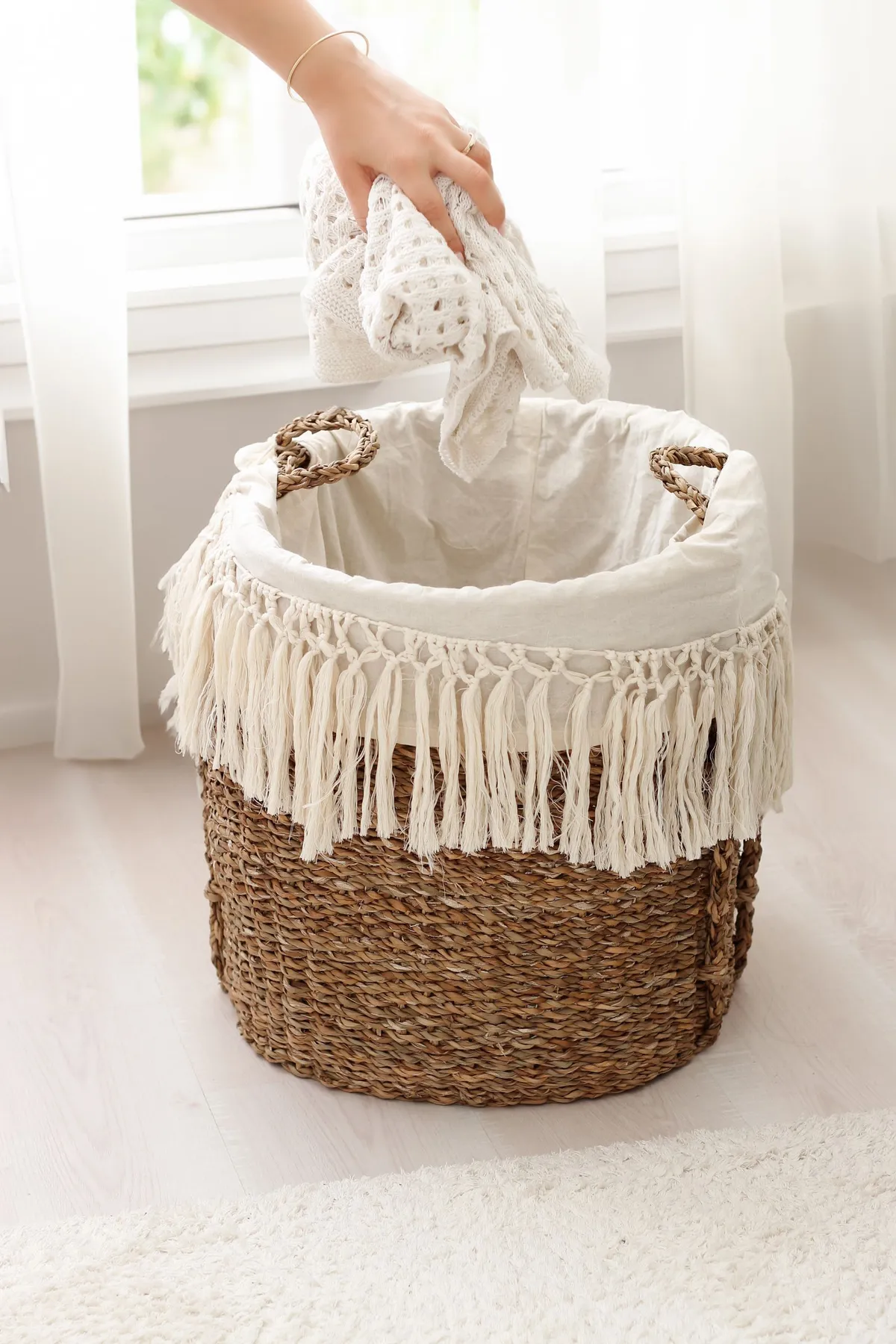
Cloth napkins are pleasant if you will reuse them regularly. Choose an initial quantity around your usual guest count with a small allowance for the wash. Very pale fabrics can require more stain attention, while heavily textured cloth may be less agreeable against the face. For a manageable washing system, borrow the sorting approach in the clothing care routine and keep table linens separate when their instructions require it.
Let mismatched pieces look deliberate
A shared color, shape or material can connect plates that were bought at different times. White plates with mixed clear glasses create a calm base; colored napkins can supply the variation. Before purchasing, arrange what you own and photograph it from above. This is a useful way to see whether anything is actually missing.
If you need extra plates, compare their diameter with cupboard shelves and the dishwasher layout. An oversized plate can make a small portion look lost and reduce serving space. Stackability matters when storage is limited. Buying four adaptable plates may solve more dinners than a large set of specialized dishes that seldom leaves its box.
Keep the middle low and useful
A short vase with a few stems can work if people can see each other comfortably. Check that the arrangement leaves access to shared food and does not bring a strong fragrance to the meal. A bowl of seasonal fruit can play the same visual role and return to everyday use afterward.
Candles need stable holders and adequate distance from sleeves, napkins and anything combustible. If that is difficult on a small table, use existing room lighting instead. Good conversation does not depend on an open flame. Avoid a centerpiece that needs to be dismantled as soon as the first serving dish arrives.
Buy for the next several dinners
Write a short list after the rehearsal: perhaps two additional glasses, washable napkins or a trivet. Give each item a storage location before ordering. Check dimensions, material, care instructions and return terms on the merchant’s product page; photographs often make scale hard to judge.
Set the table early enough to leave a small pause before guests arrive. A gentle Sunday reset offers the same useful principle: finish the few tasks that remove friction, then stop. A relaxed dinner table earns its keep through repeated meals, comfortable guests and a cleanup routine that does not consume the rest of the evening.
Have a correction or a question? Contact the journal. See how we choose topics and approach shopping advice.