Shopping note: This journal carries advertisements and may earn a commission from qualifying purchases through marked commercial links. Product availability, prices and returns depend on your retailer and region. Read our disclosure.
In this story
Test the chair before replacing itFind useful light at the right timeGive the small surface a real jobConsider warmth and noiseBuy in the order that removes discomfortA reading corner can be a comfortable chair beside a lamp, with a place to set a cup. It does not need its own room or a shopping list full of furniture. Picture the time you actually read: perhaps twenty minutes after dinner, a quiet hour on Sunday or a few pages before the rest of the household wakes up. Build around that moment, including its light, temperature and ordinary interruptions.
Test the chair before replacing it
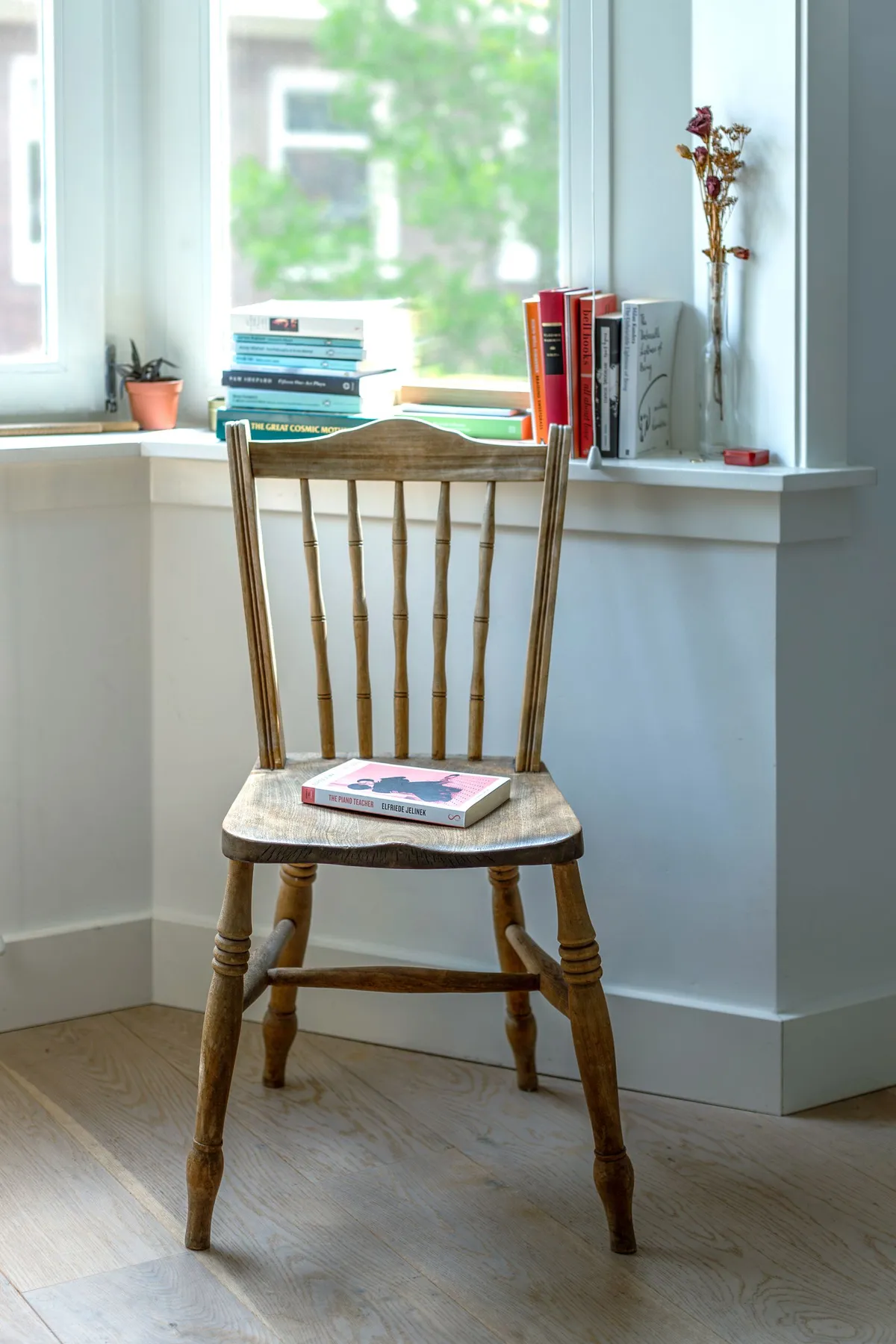
Move a chair you already own to the proposed spot and sit with a book for a while. Notice whether you can rest your feet, support your back and hold the book without lifting your shoulders. A chair that looks inviting in a photograph may not suit your preferred reading position. Test the activity before deciding that a new armchair is necessary.
A cushion can adjust support, but too many cushions may leave little room to sit. Try one at a time. A footstool might help if you like to elevate your feet, yet it also takes floor space and can obstruct a walkway. Use a temporary substitute of appropriate stability and height to judge the arrangement before making a purchase.
Find useful light at the right time
Check the corner at the hour you expect to use it. Daylight at noon tells you little about a winter evening. Place an existing lamp so that the page is clearly lit without glare shining directly into your eyes. Shift it, sit again and compare. Your hand and the book should not cast an inconvenient shadow over the text.
If buying a lamp, look at height, shade direction, switch position and the manufacturer’s bulb requirements. A floor lamp preserves surface space; a table lamp may suit a room with a spare side table. Check that the base fits without creating a trip hazard and that the cord can reach a socket safely. Do not run a cable across the walking route to achieve an attractive arrangement.
Give the small surface a real job
A side table should hold the things you actually use, perhaps a glass, your book and reading glasses. Measure the available space and compare its height with the chair arm. A surface that is too low may require an awkward reach; a tall one can feel intrusive beside a low chair. Put a box temporarily in position to test the size without ordering anything.
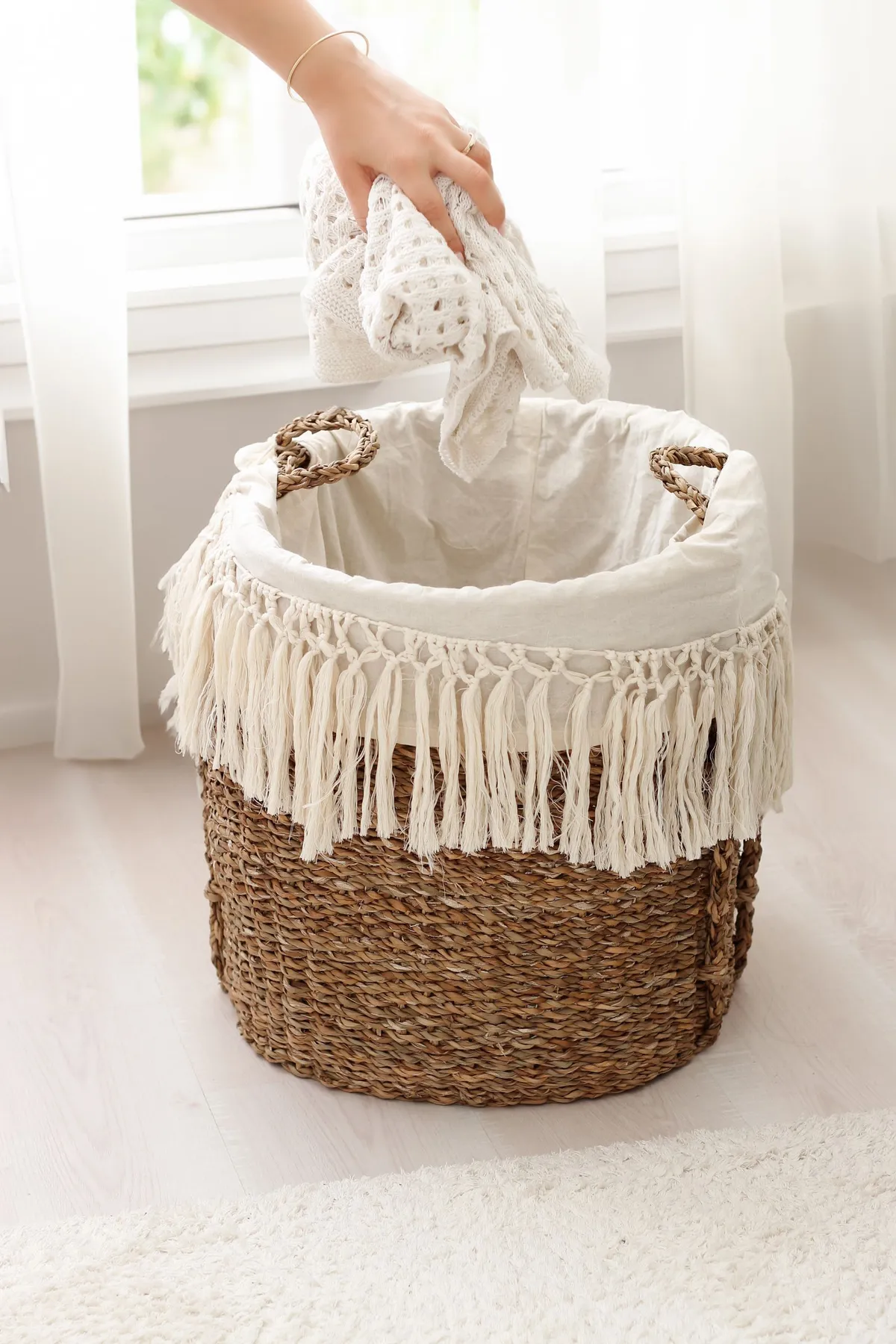
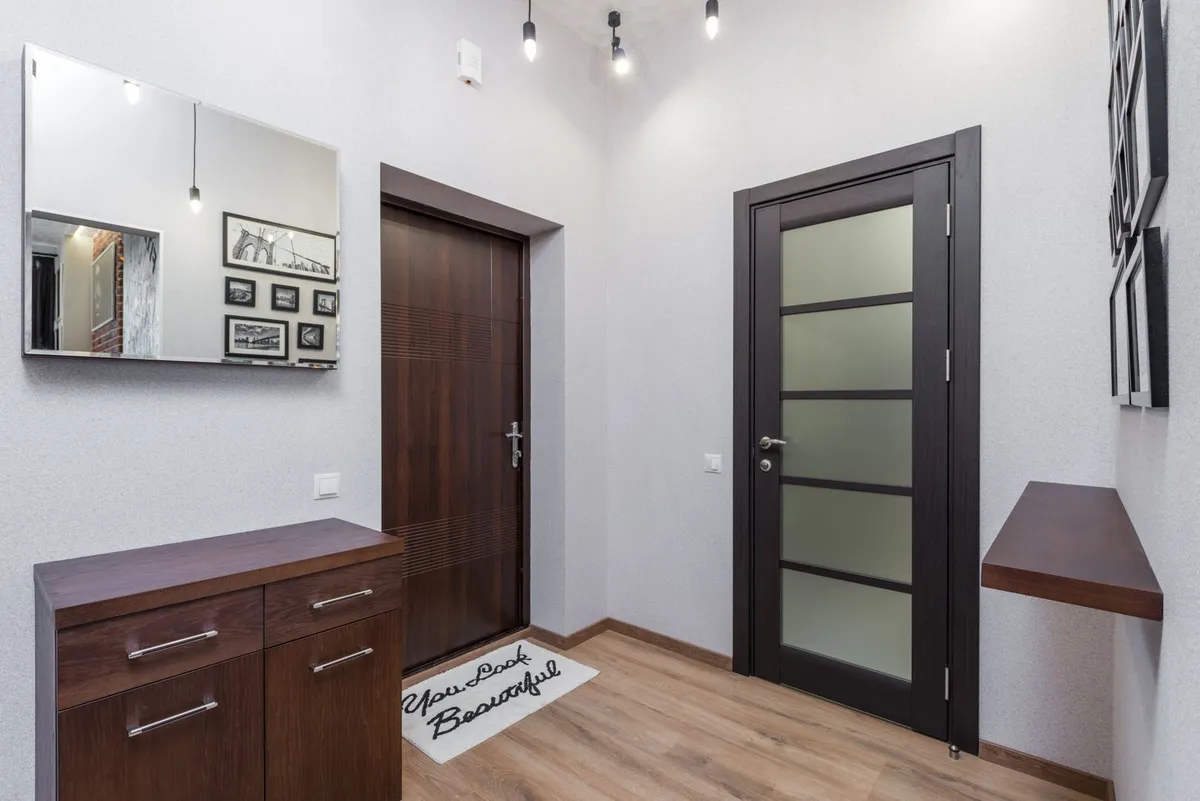
Storage is optional. One shelf or a basket can be useful for current books, but a large stack often collects unrelated mail. Limit the corner to what supports the habit. If clutter is arriving from elsewhere, a small entryway system may solve the source more effectively than another basket beside the chair.
Consider warmth and noise
A washable throw can be practical when the room cools down in the evening. Check its care label and size before buying; a decorative throw that barely covers your legs may not do the job. Keep it where you can reach it while seated, then return it to that place after use.
For noise, begin with the environment. Closing a door or choosing a quieter time may be enough. If you enjoy background audio, keep the volume appropriate to the setting and consider other people sharing the room. The earbud buying guide discusses fit and everyday listening priorities without assuming that a particular feature will suit everyone.
Buy in the order that removes discomfort
After several reading sessions, write down what bothered you. Poor light suggests a lighting change; an unsupported position suggests a seating adjustment. Buy the item that addresses the repeated problem first, then live with the result before adding more. A coordinated set of furnishings is unlikely to be the answer if the original problem was simply an inconvenient switch.
Check dimensions, assembly requirements, delivery access and returns for any larger item. A compact chair can still arrive in packaging that is difficult to move through stairs or a narrow door. Think about how it enters the home as well as where it will sit.
Leave a book within reach and try using the corner at an ordinary time. The evidence of success is modest: you sit down comfortably, find enough light and stay for a few pages. A useful corner gradually becomes part of the room’s daily life, with purchases supporting that routine only when they are needed.
Have a correction or a question? Contact the journal. See how we choose topics and approach shopping advice.